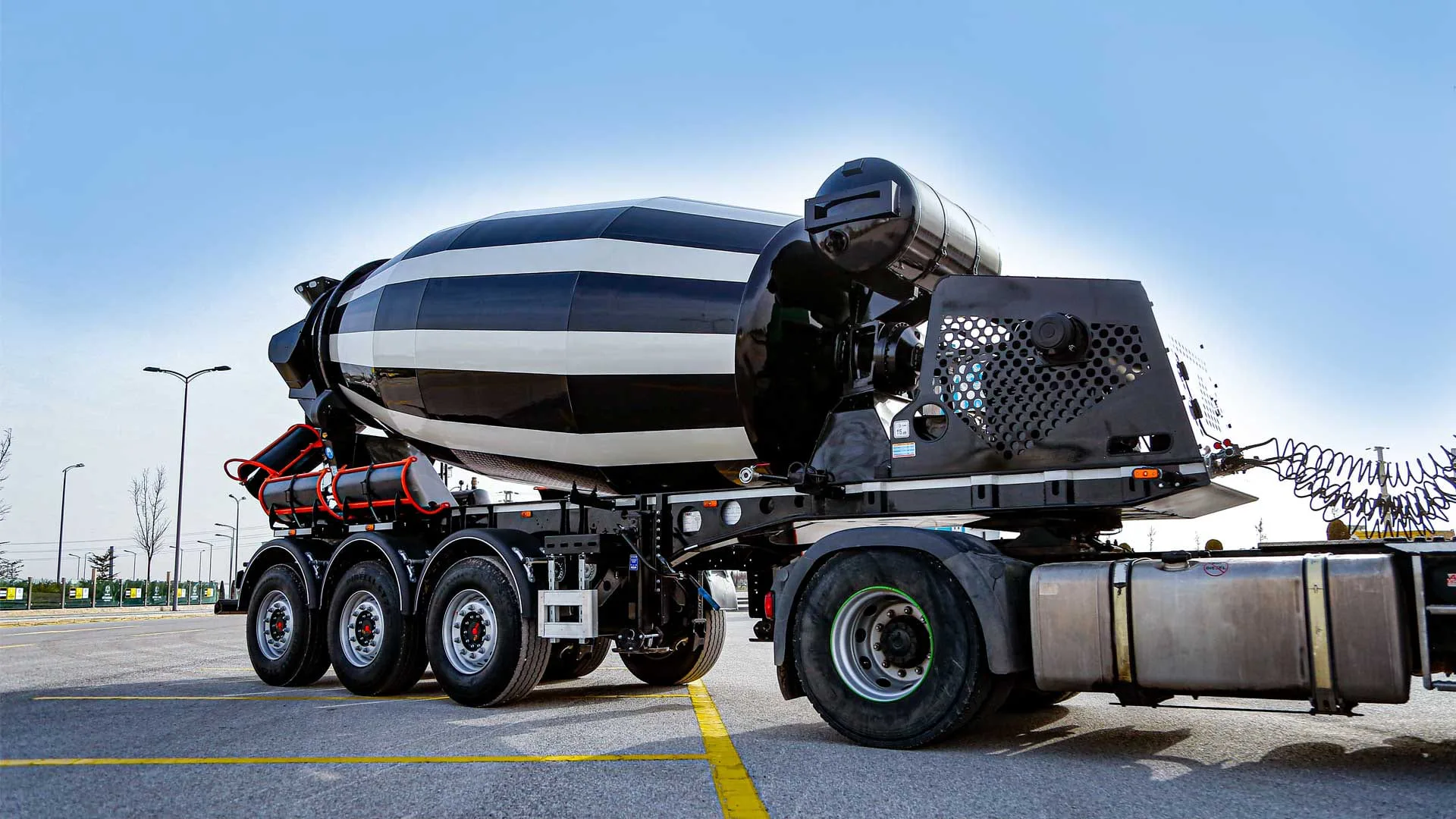
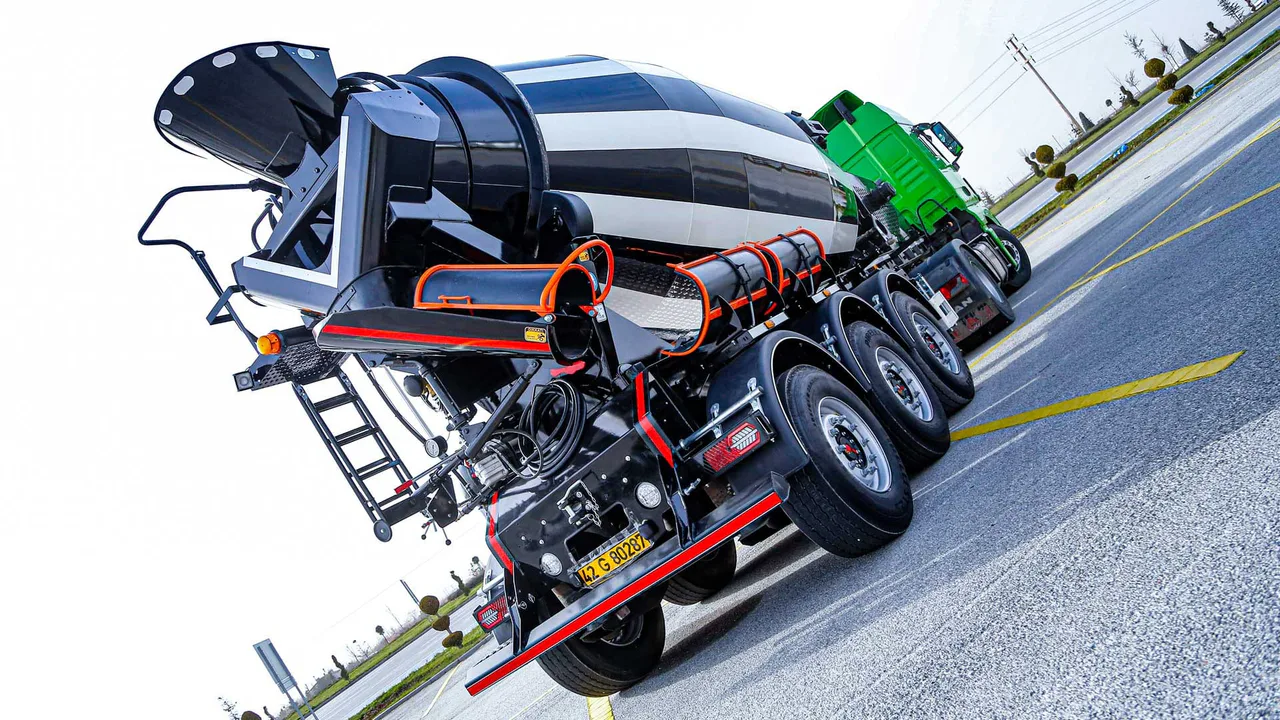
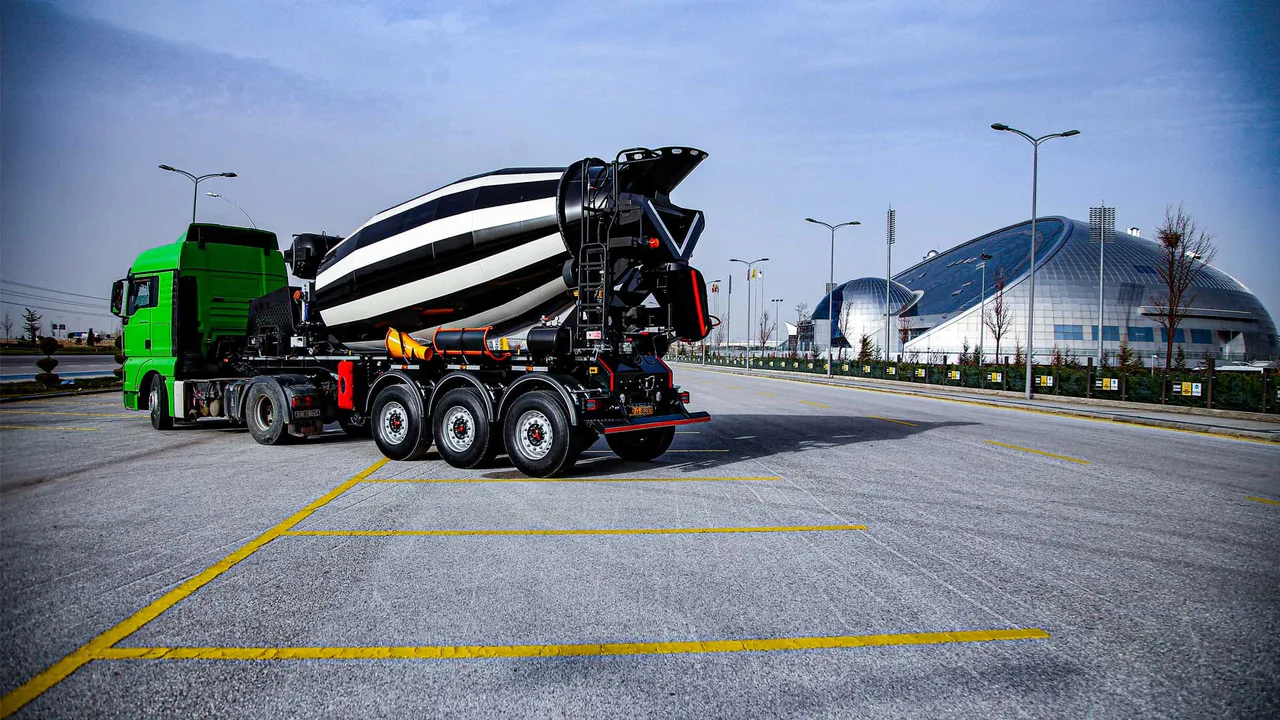
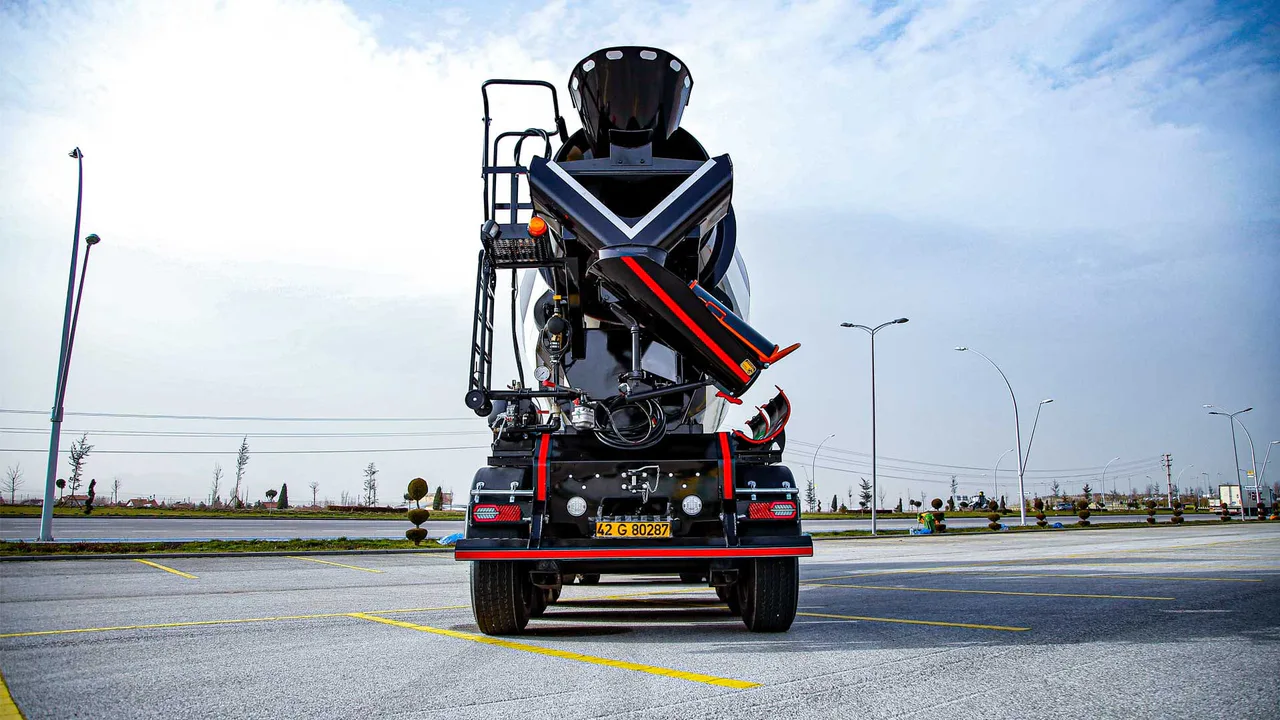
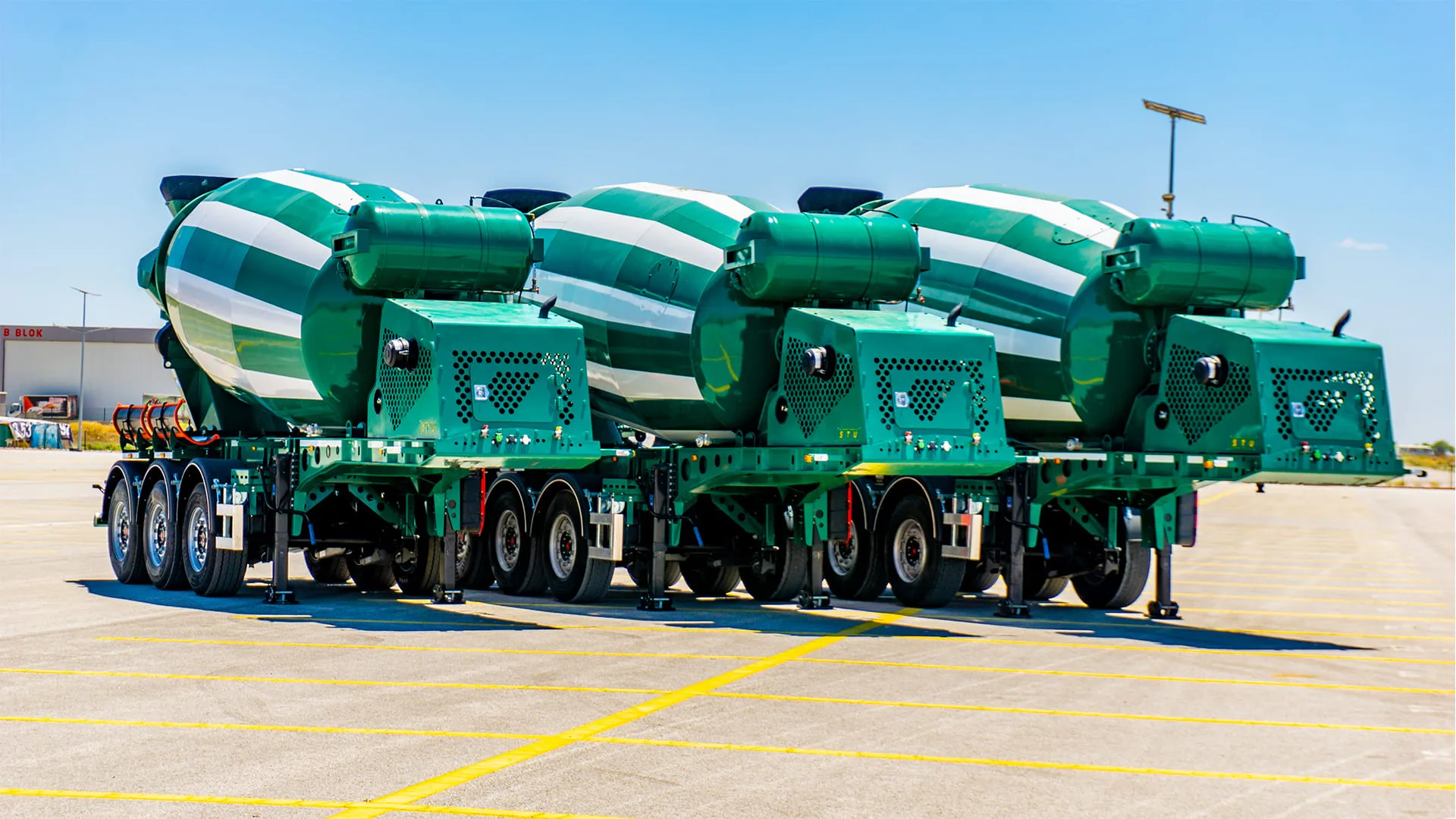
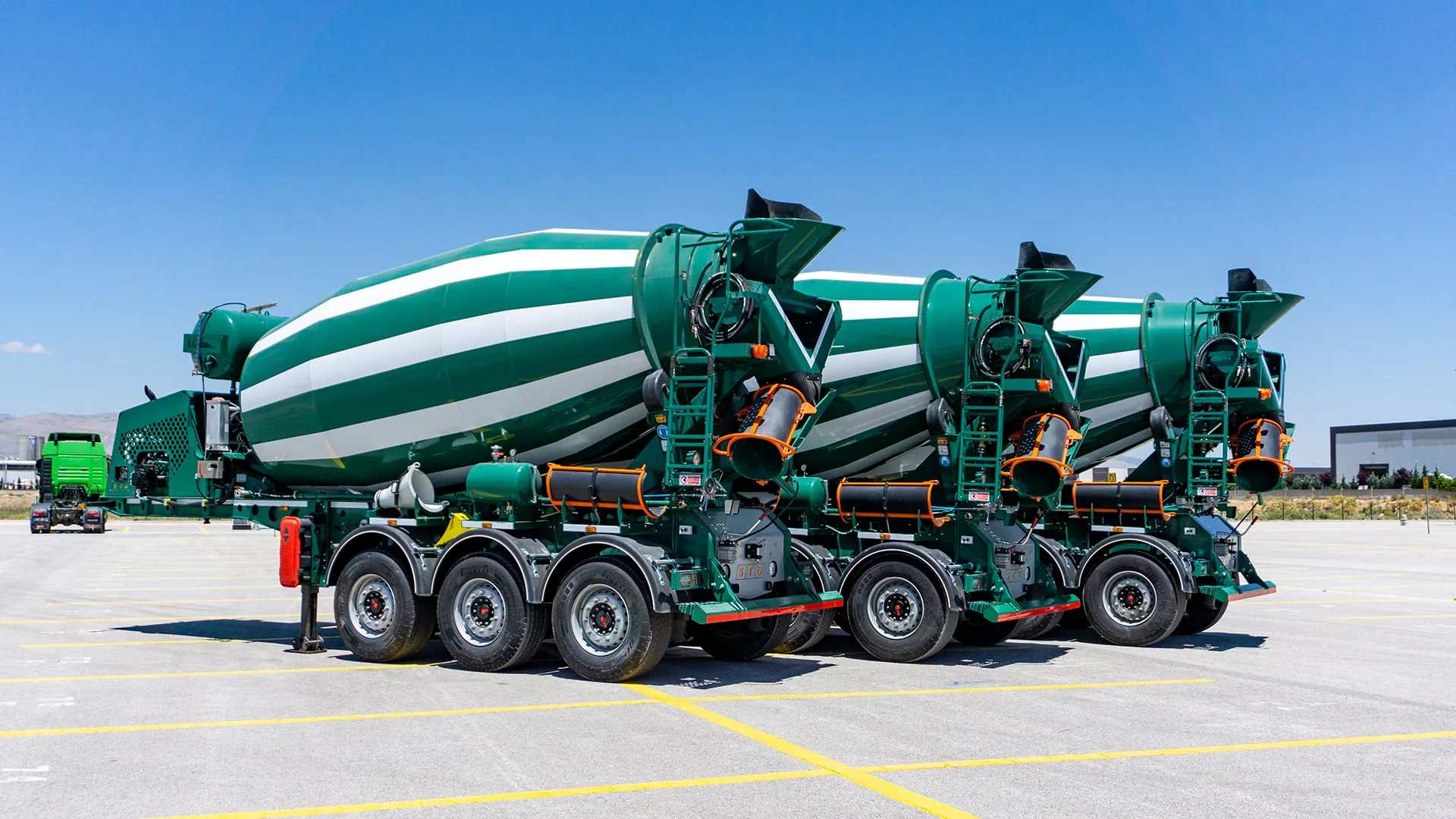
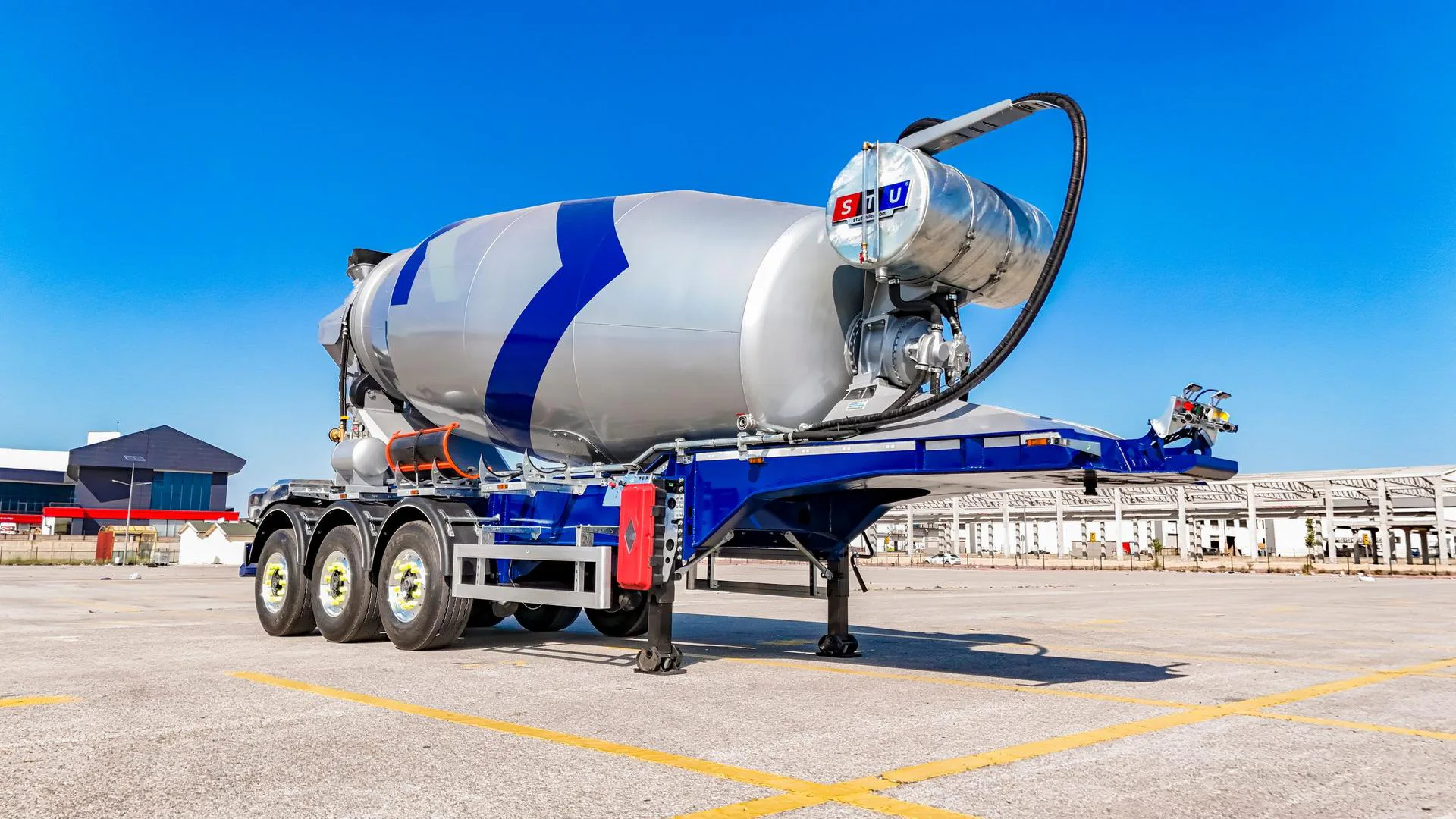
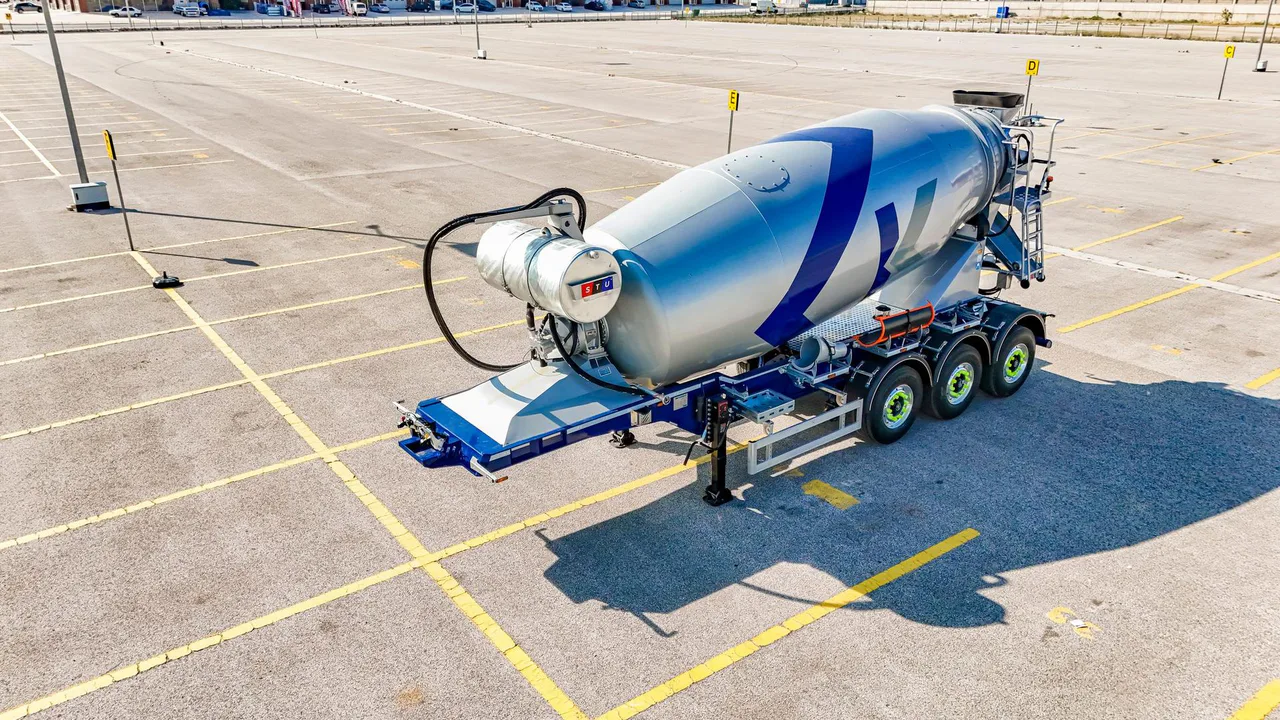
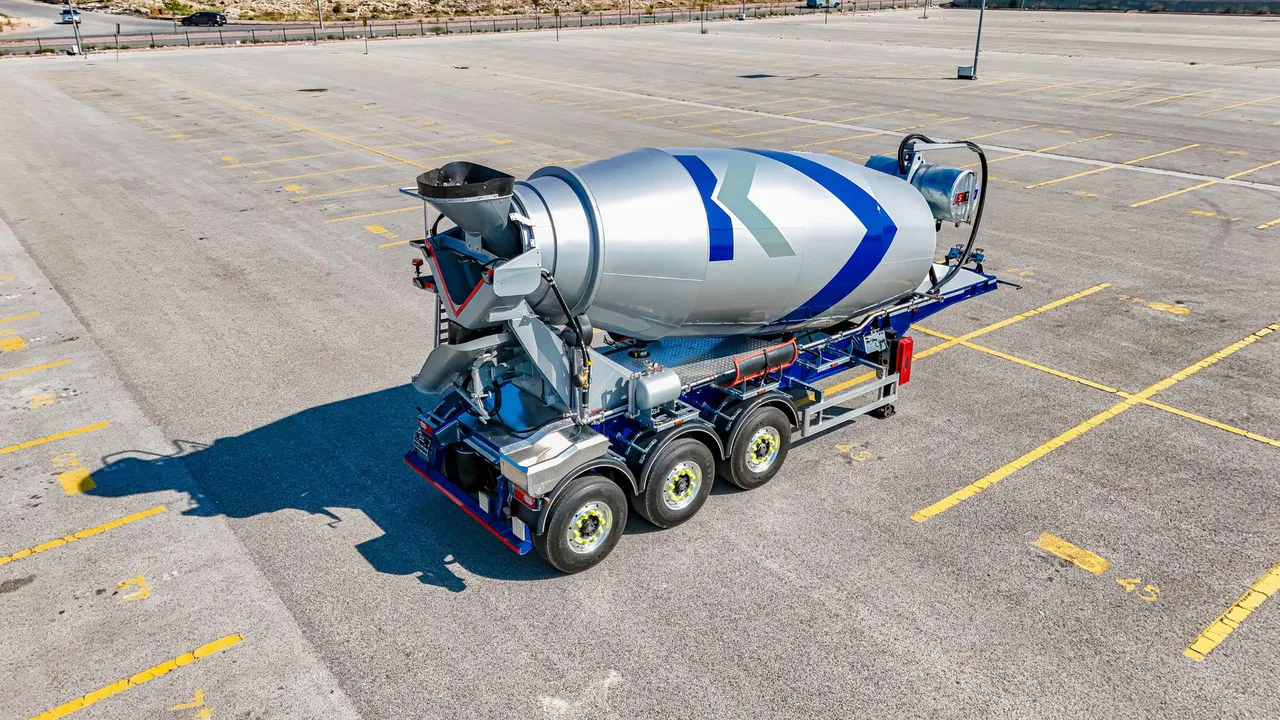
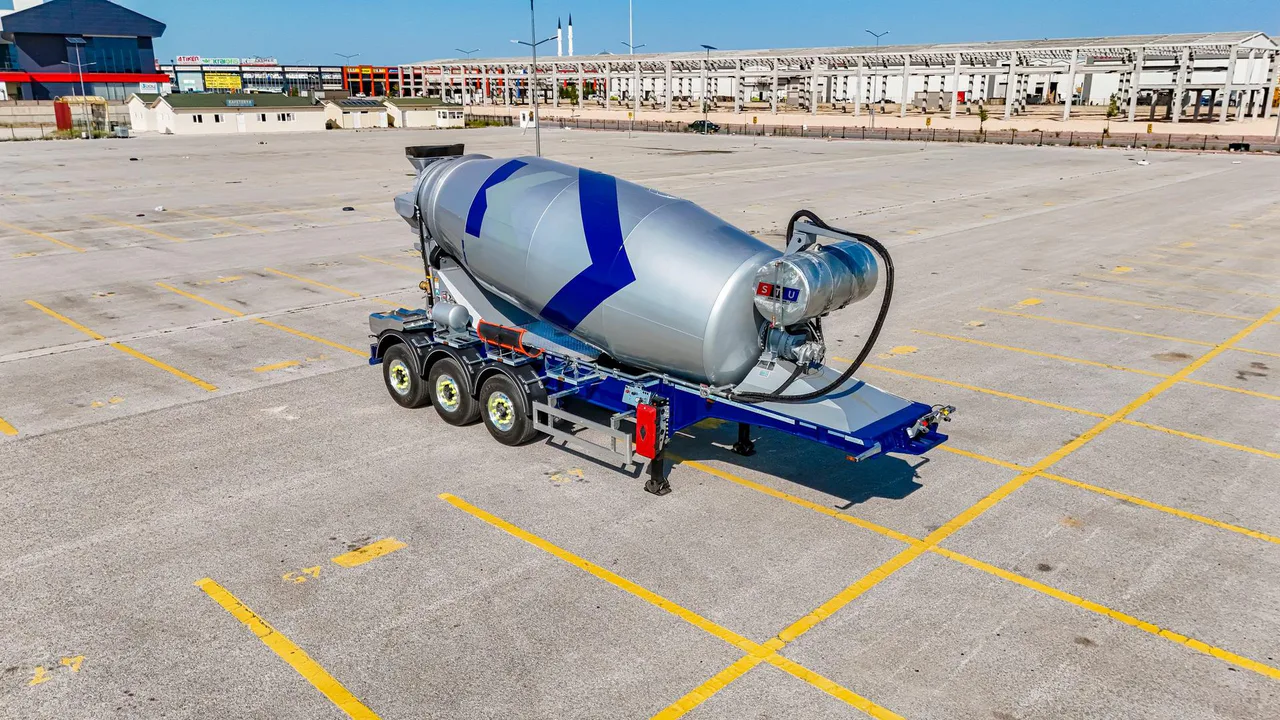
What is the primary use case for an STU concrete mixer semi trailer?
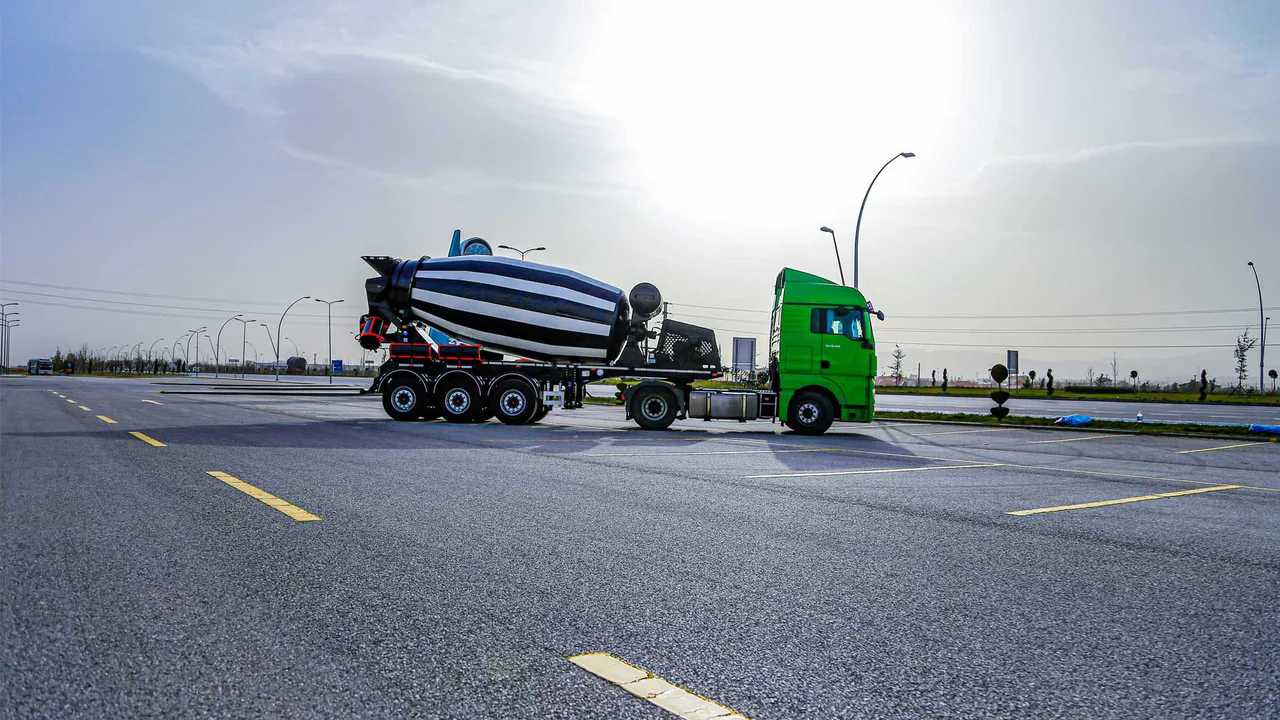
It transports ready mixed concrete and keeps the mix agitated to maintain homogeneity. Mixing does not stop cement hydration; delivery time and workability must follow the concrete specification.
Why is continuous agitation important during transport?
It helps prevent the concrete from starting to set and keeps all components evenly mixed until discharge.
What drum RPM do you recommend for mixing vs discharge?
It depends on unloading method; for pump feeding, RPM should be synchronised with pump speed for controlled flow.
How should RPM be set when unloading into a concrete pump?
Operators should align drum speed with the pump's receiving speed for a clean, controlled pour.
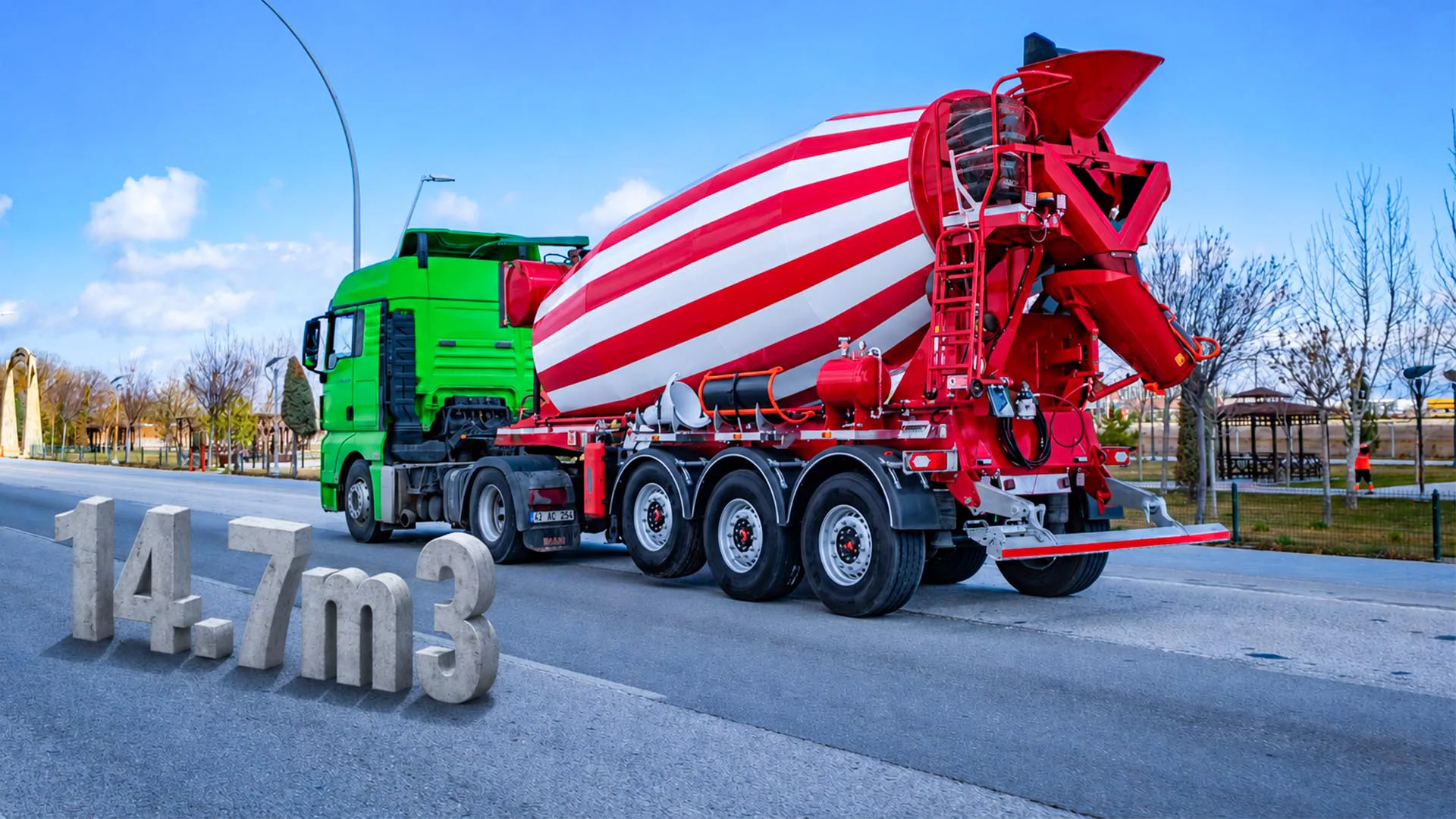
What is the typical unloading time for the 14.7 m³ model?
Approximately 20 to 30 minutes at maximum drum speed, depending on concrete intensity and site conditions.
What cleaning routine do you recommend after each pour?
Clean with water and suitable additive chemicals to prevent hardened concrete inside the drum.
What happens if the drum isn't cleaned properly?
Hardened concrete inside reduces effective unloading m³ and accelerates wear.
Which parts are considered wear parts?
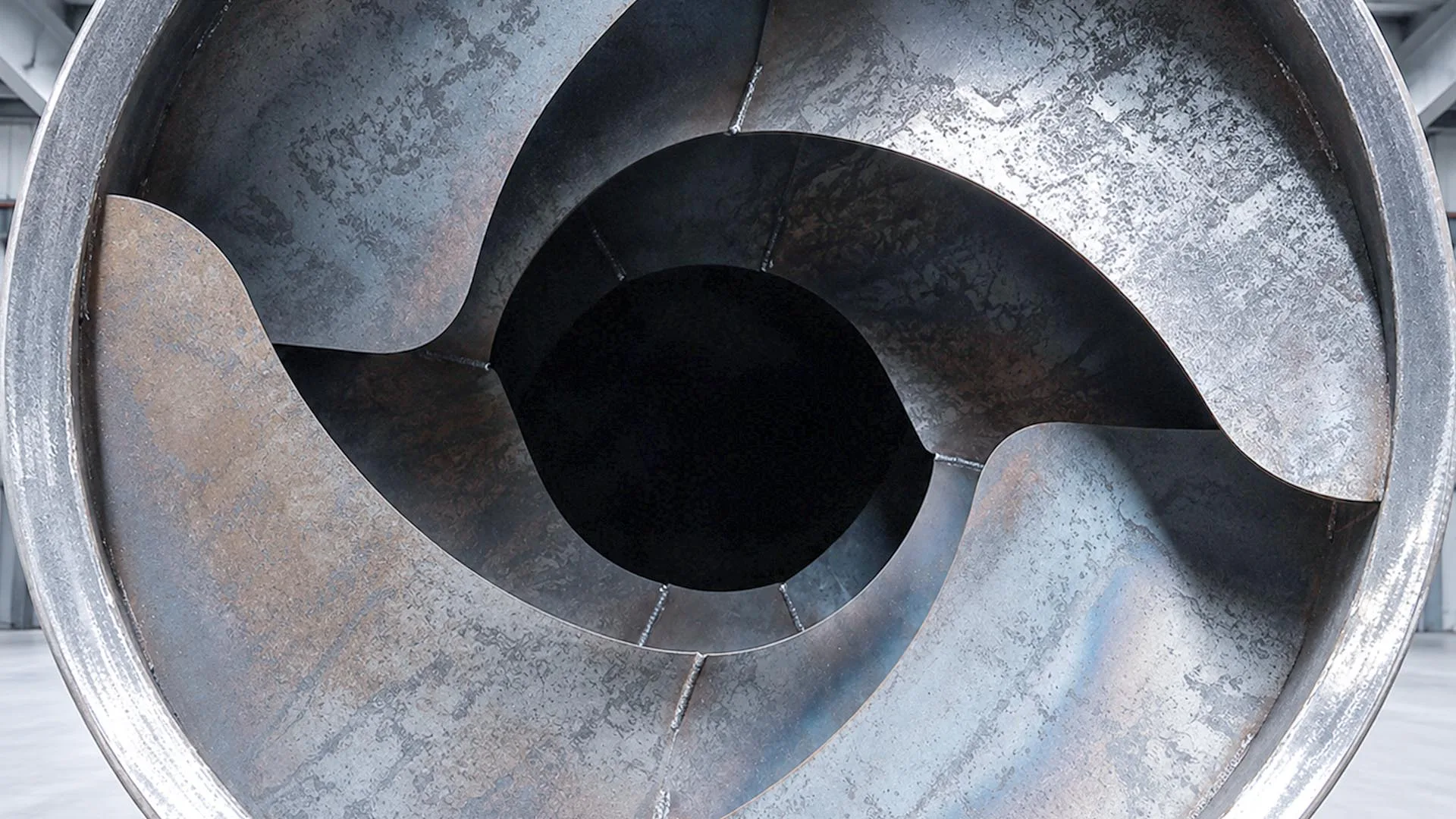
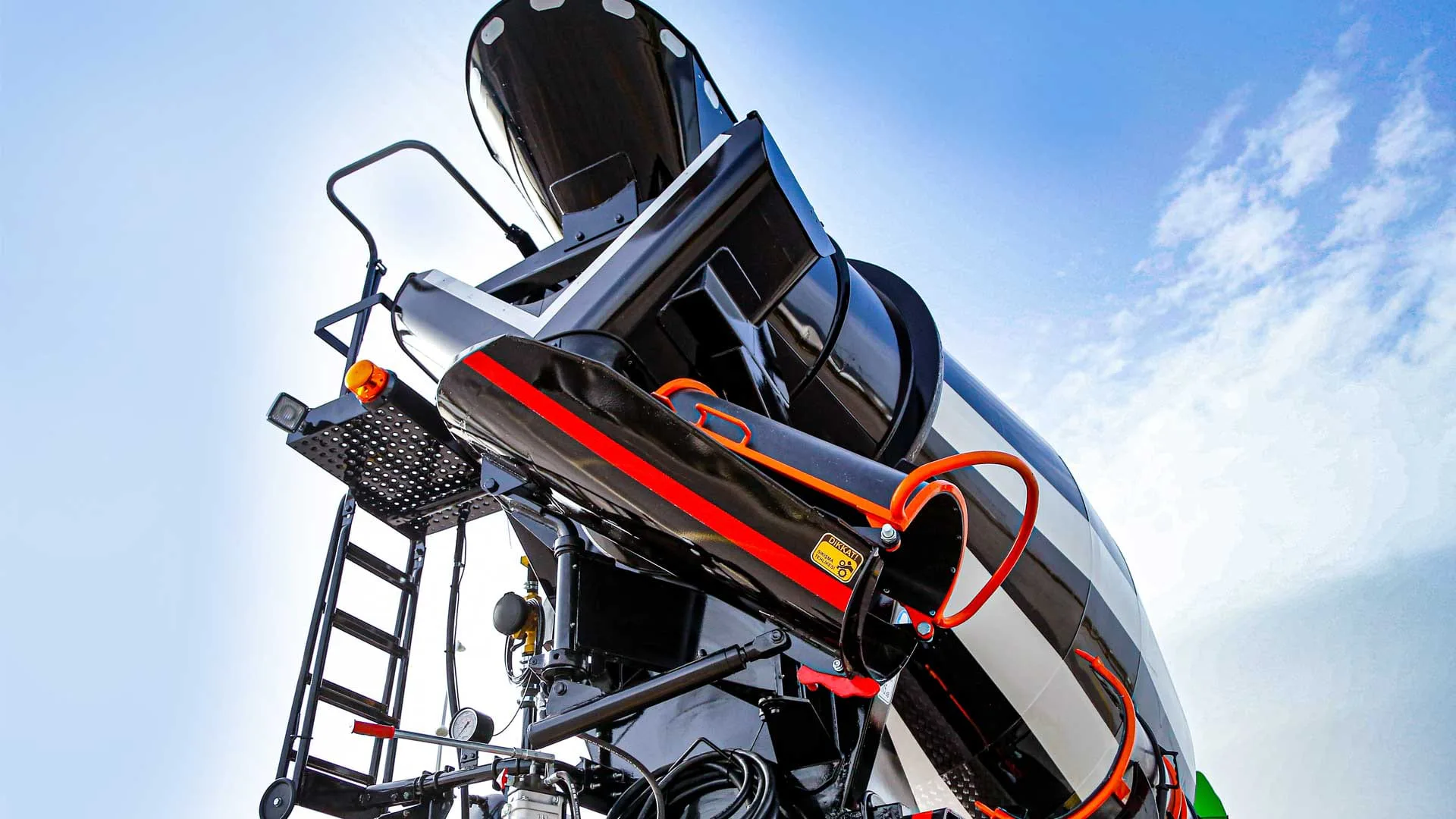
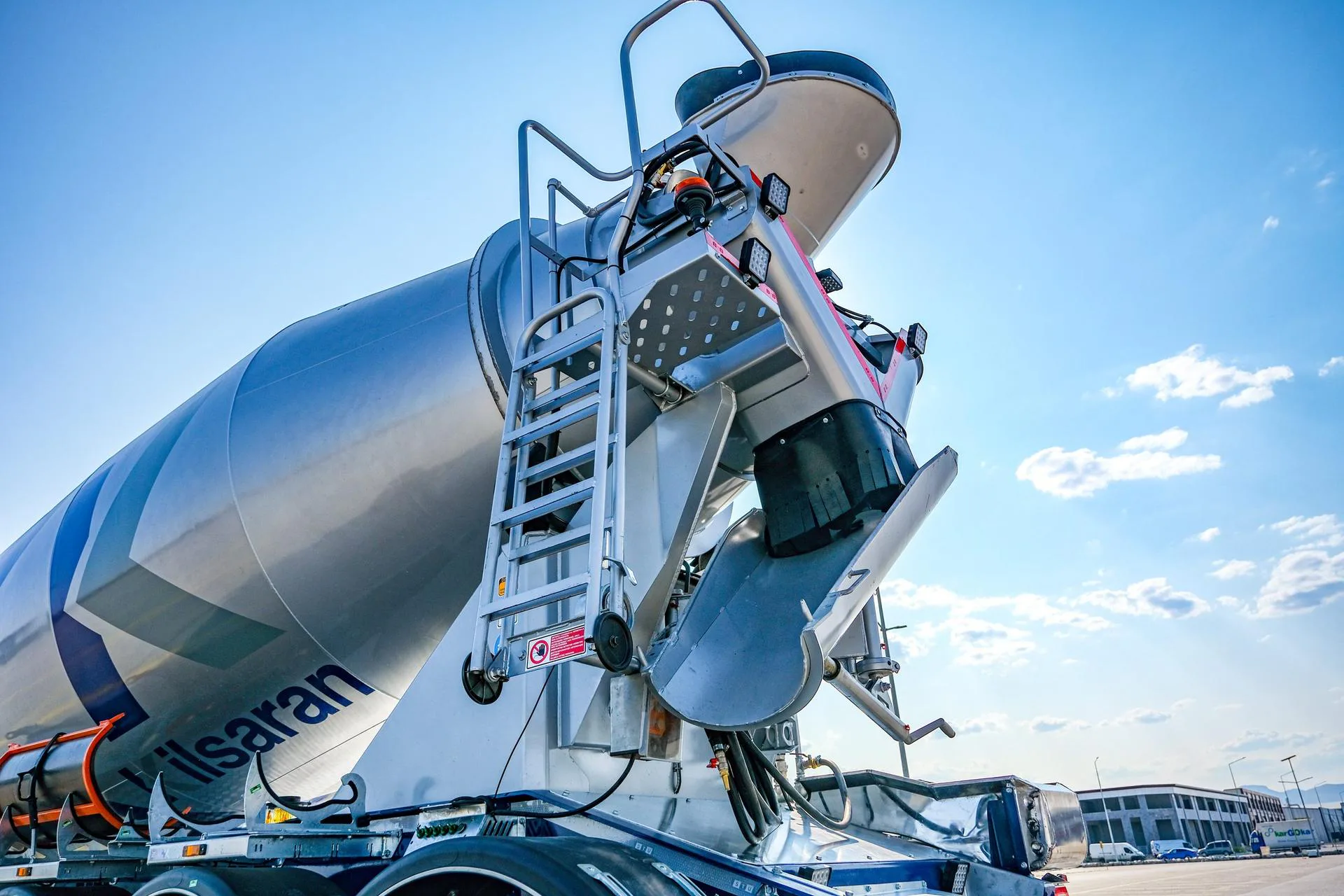
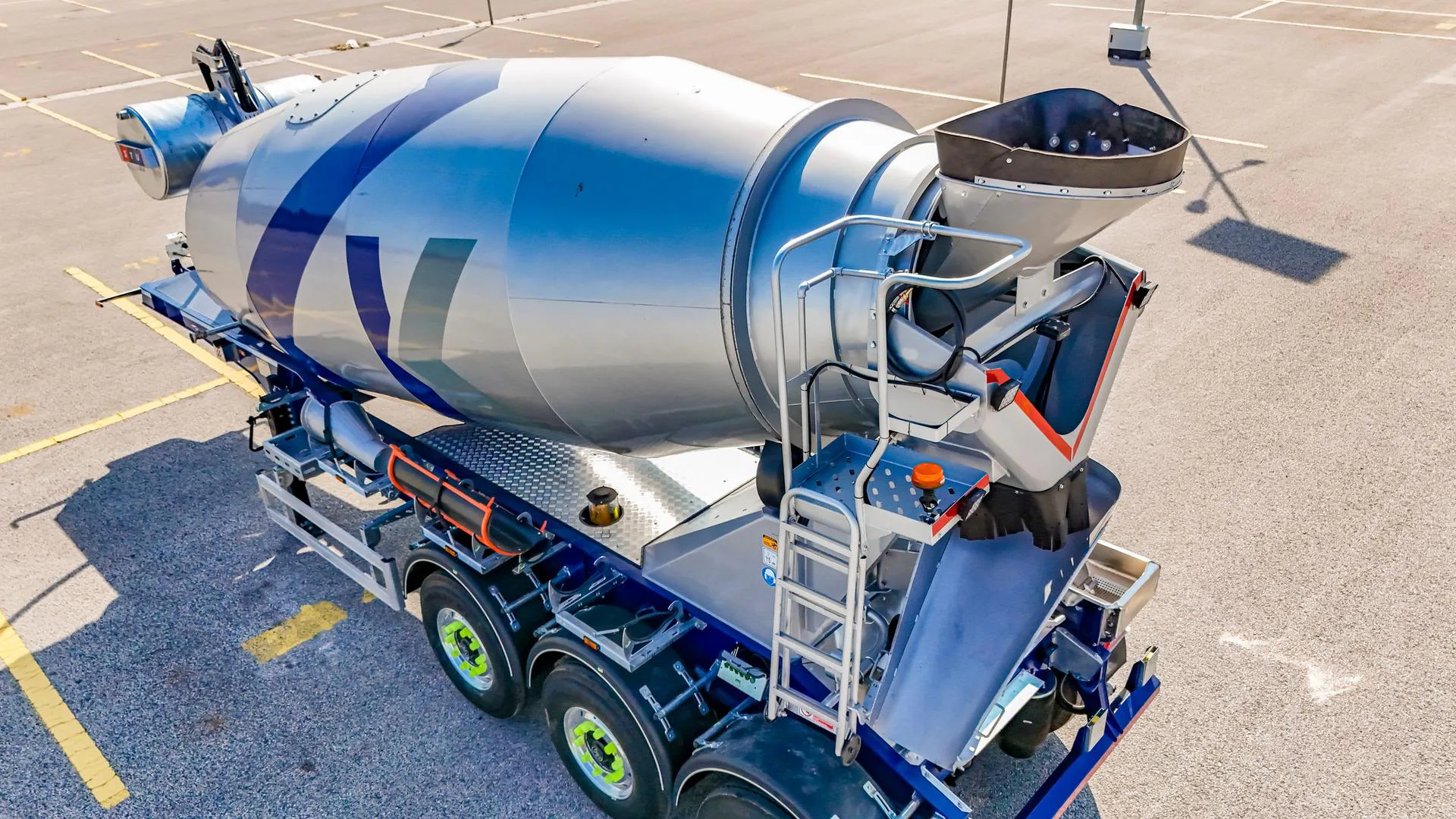
The drum, mixing blades, and loading/unloading chutes.
What is your warranty approach for wear parts?
Wear parts are covered for manufacturing defects in the first year; after that, spare parts can be ordered from the producer.
What do you recommend for hydraulic system maintenance in harsh use?
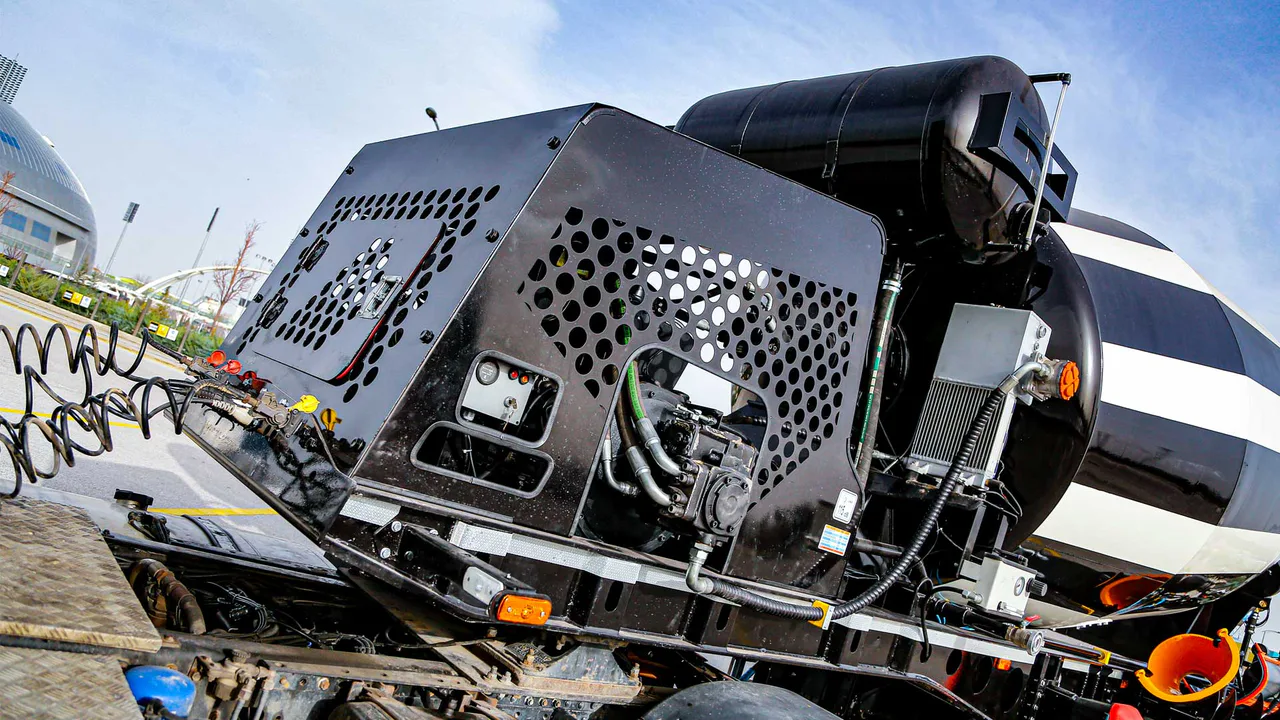
Follow the maintenance labels; the system is built for intensive daily loading/unloading cycles.
How intensive can daily operation be?
Customers reported up to 50 loading/unloading cycles in 24 hours, sustained over years.
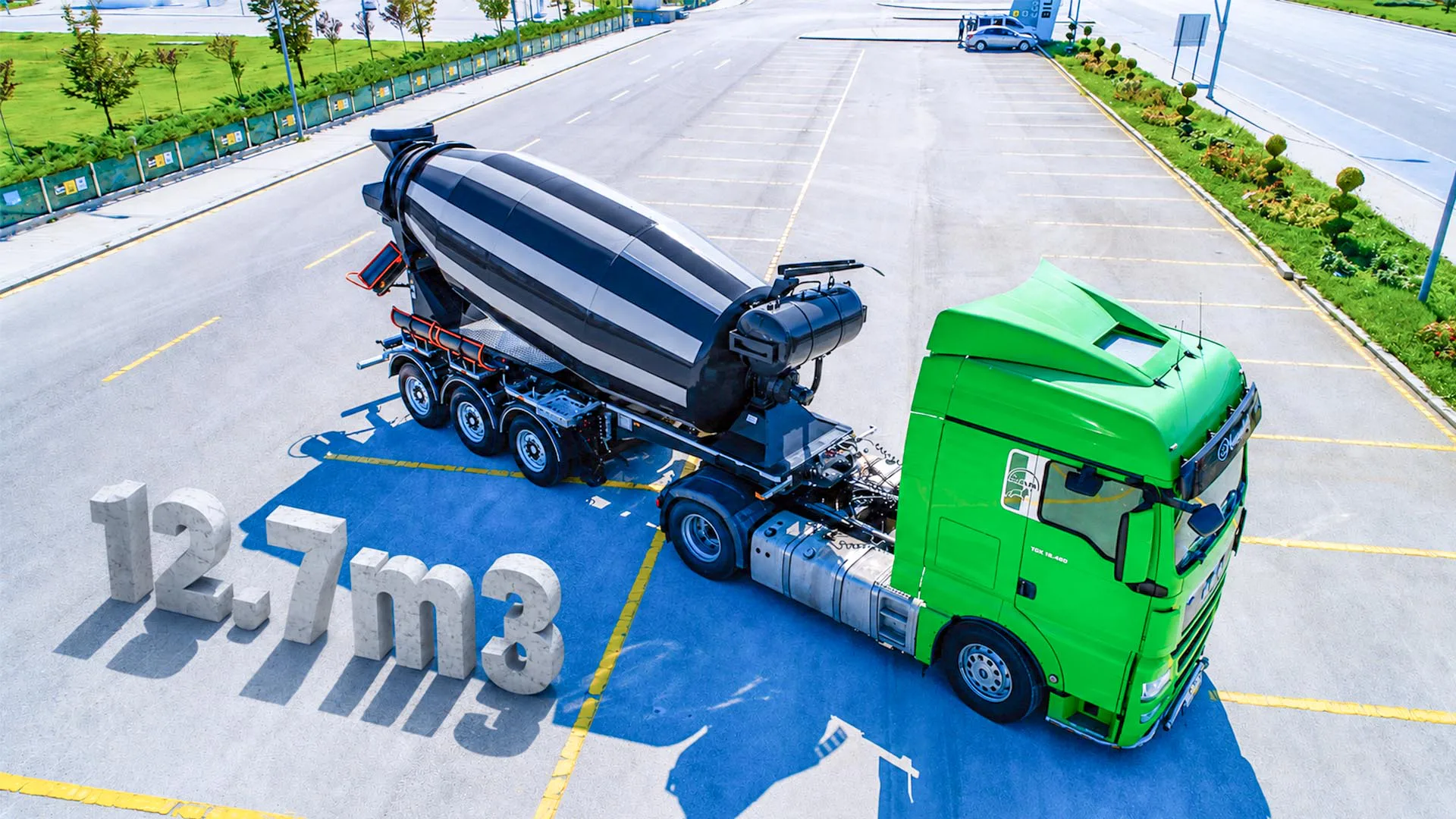
Do you offer only 12.7 m³ and 14.7 m³?
We mainly offer 12.7 m³ and 14.7 m³, and can also produce 9, 10, 12, and 15 m³ on request.
How should buyers choose between 12.7 m³ and 14.7 m³?
Based on local weight rules and intended operation, choose what keeps you compliant and efficient.
What does "capacity in water" mean?
It indicates how much water can fill the drum to the specified maximum level, helping users understand drum geometry and behaviour.
Is the water tank pressurised, and how is it monitored?
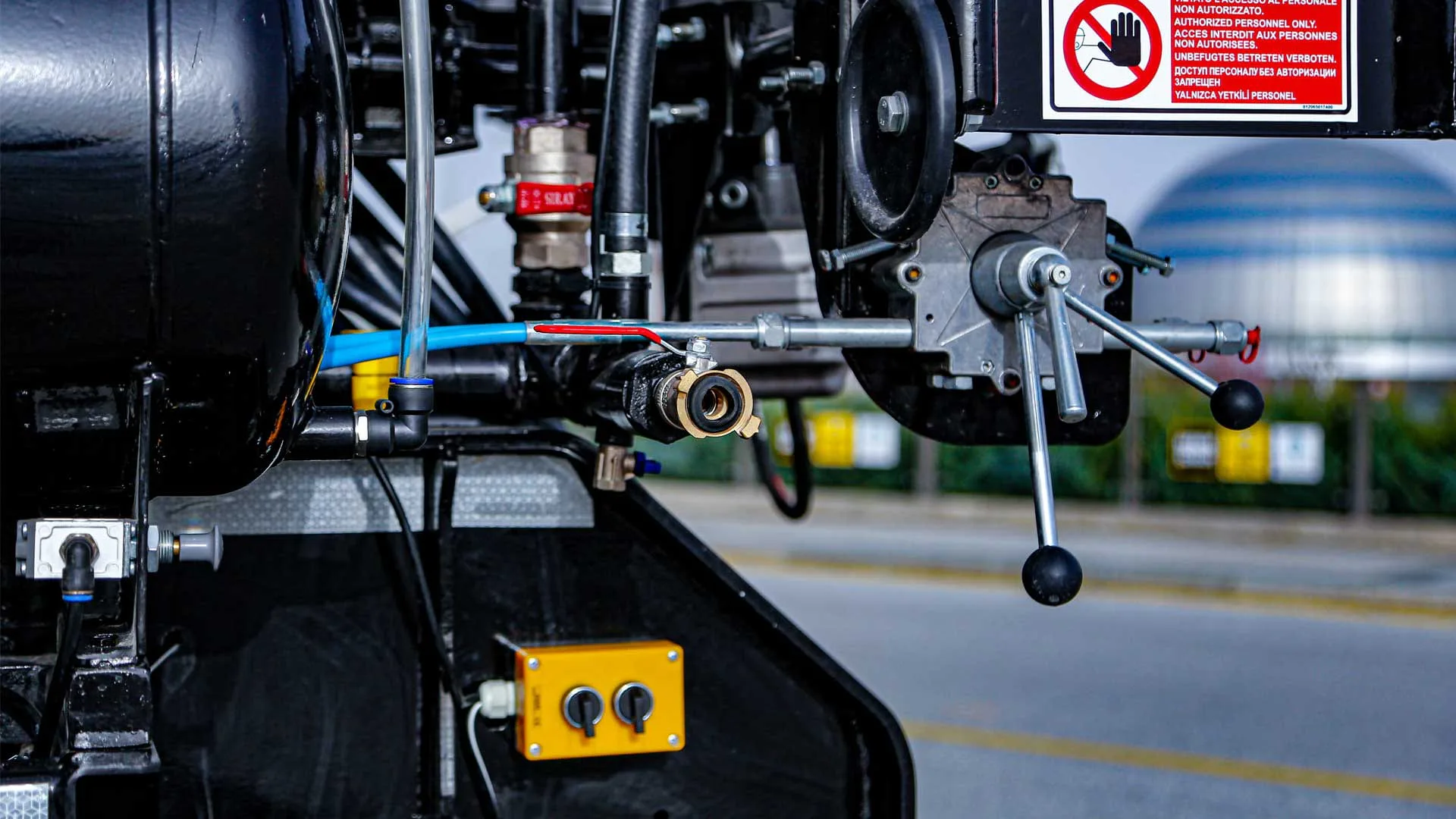
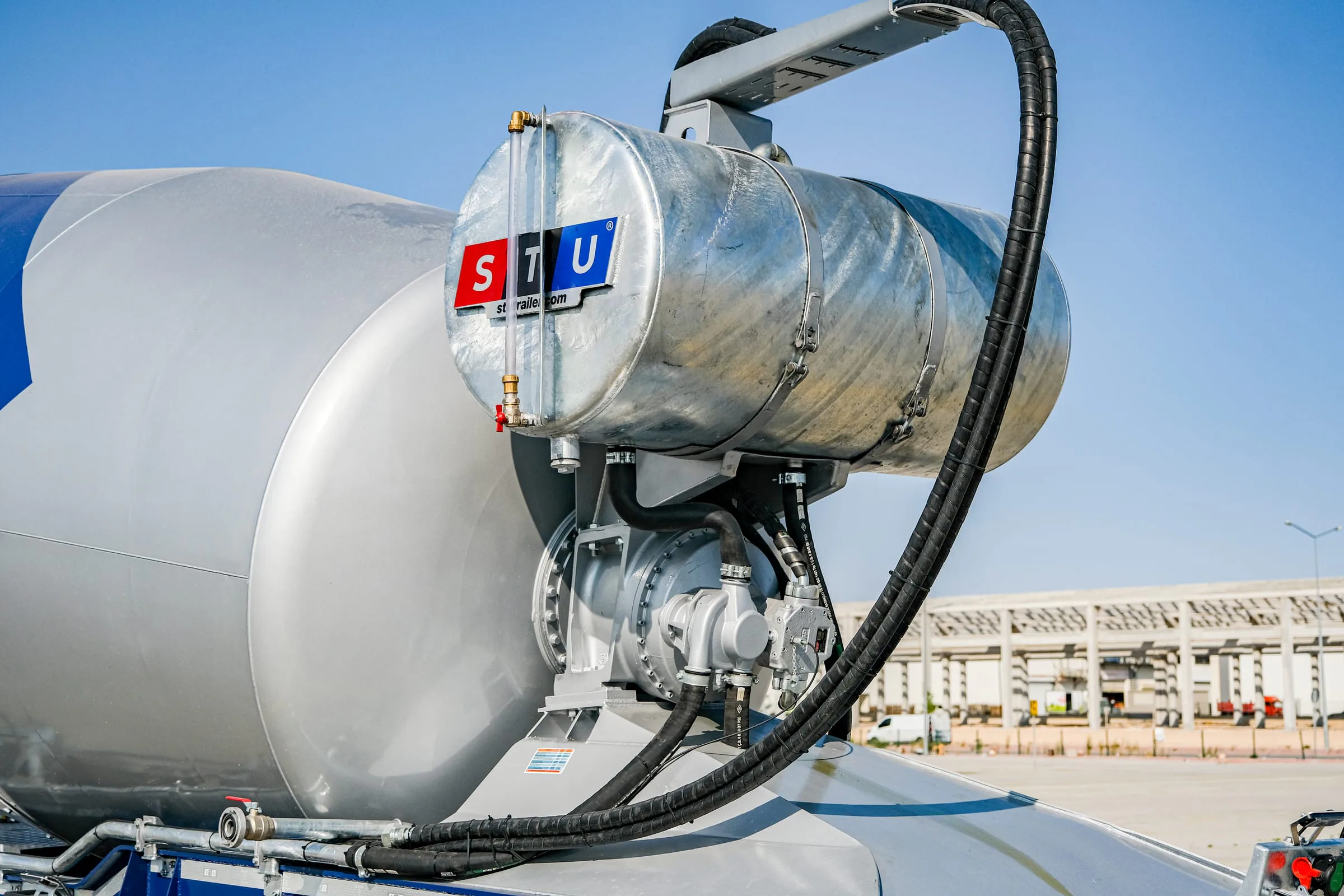
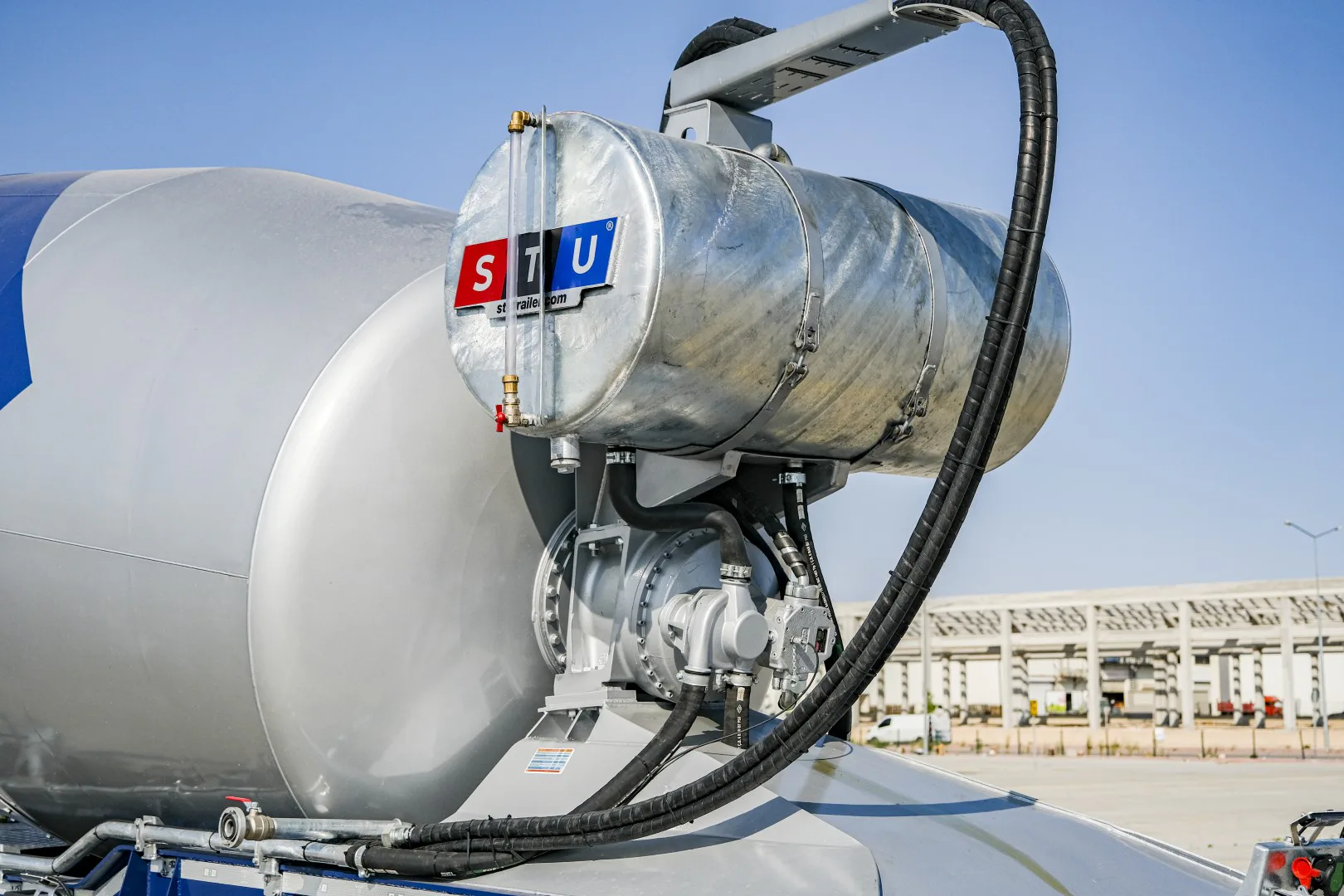
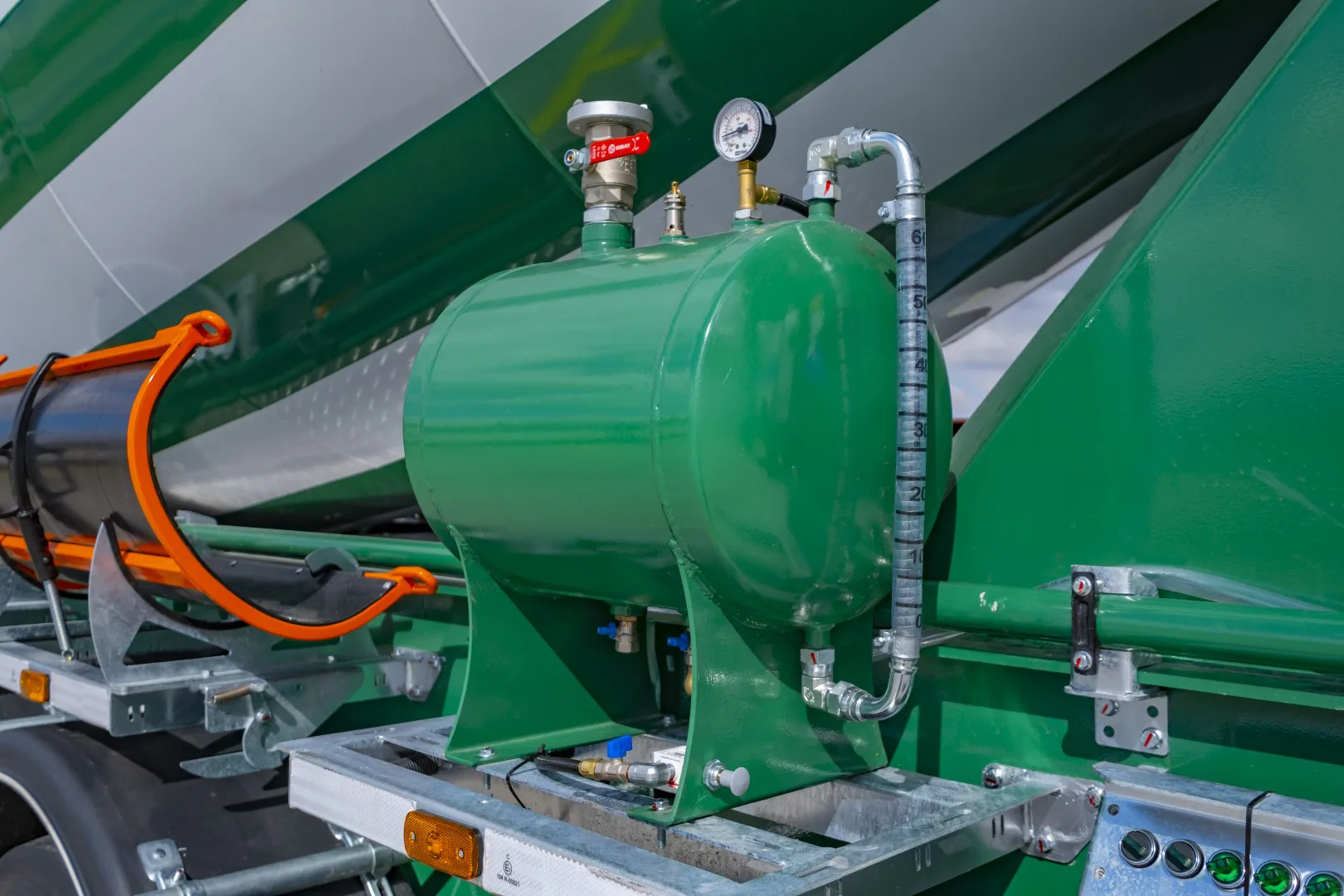
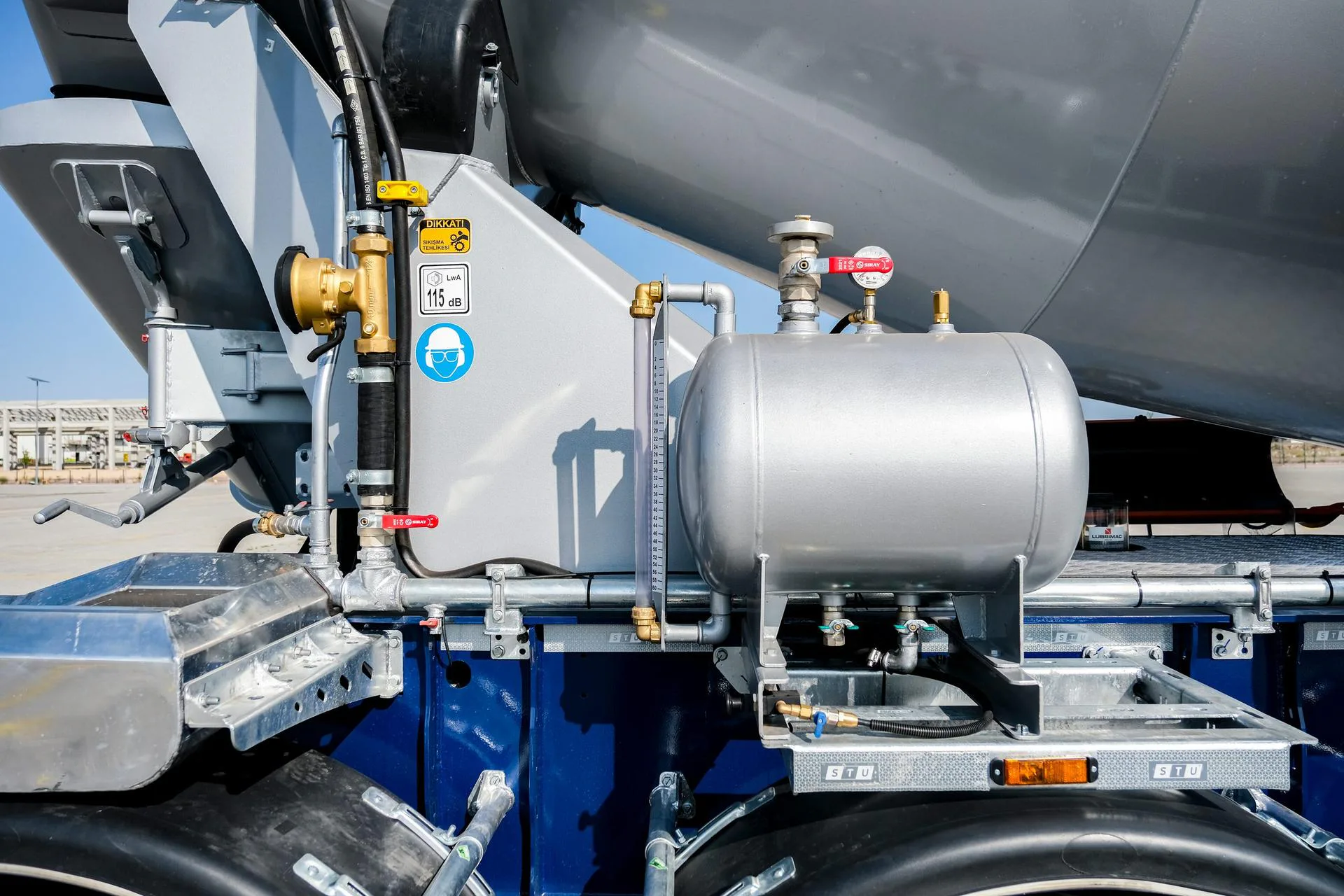
Yes, pressurised water tank with level indication; additive handling can be configured depending on formulas and country rules.
What is the standard vs optional control configuration?
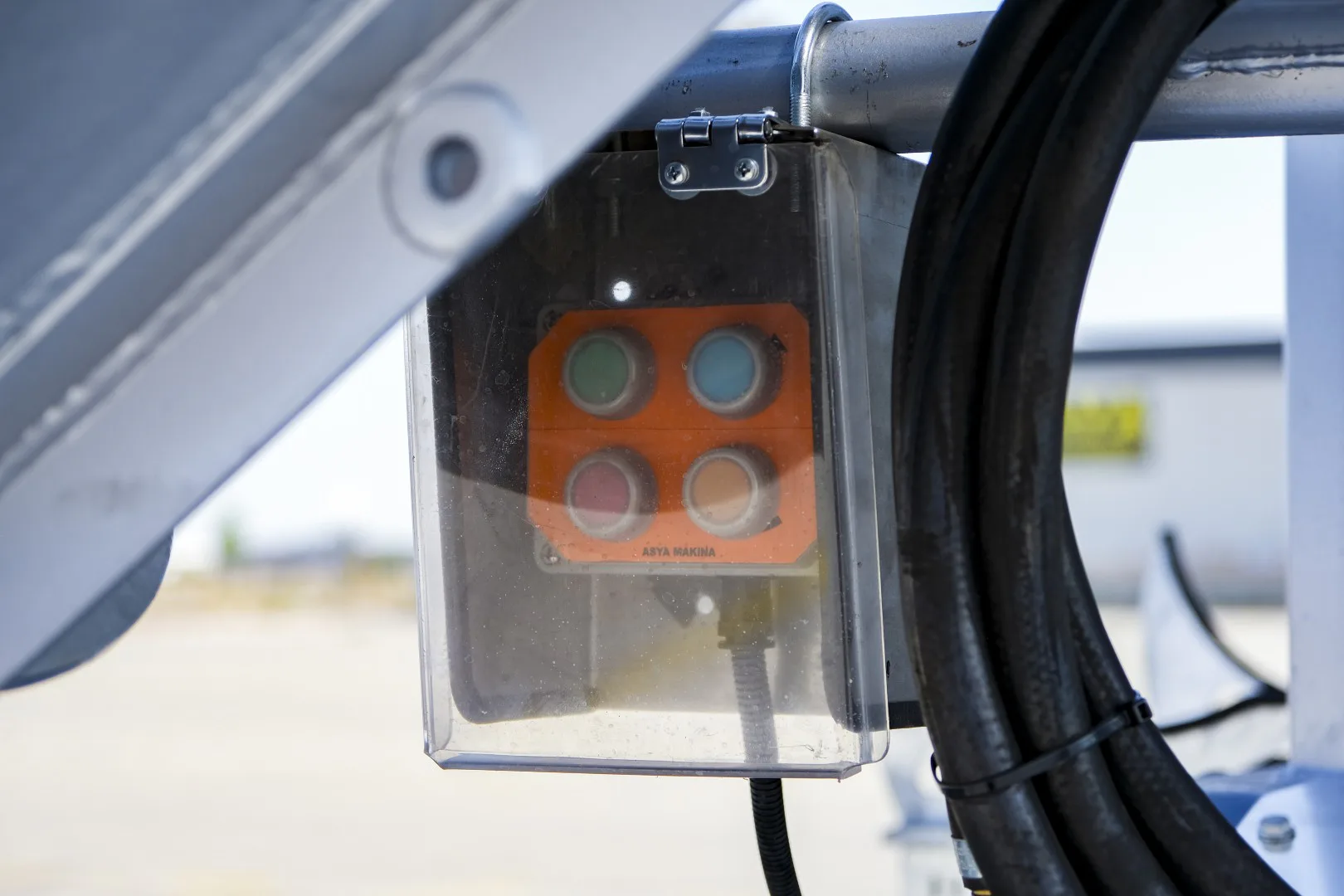
Rear controls are provided through the control box. Controls in the cab are optional on the 12.7 m³ model and standard on the 14.7 m³ model. Remote control is configured according to the agreed specification.
Can customers choose SAF / BPW / TRAX?
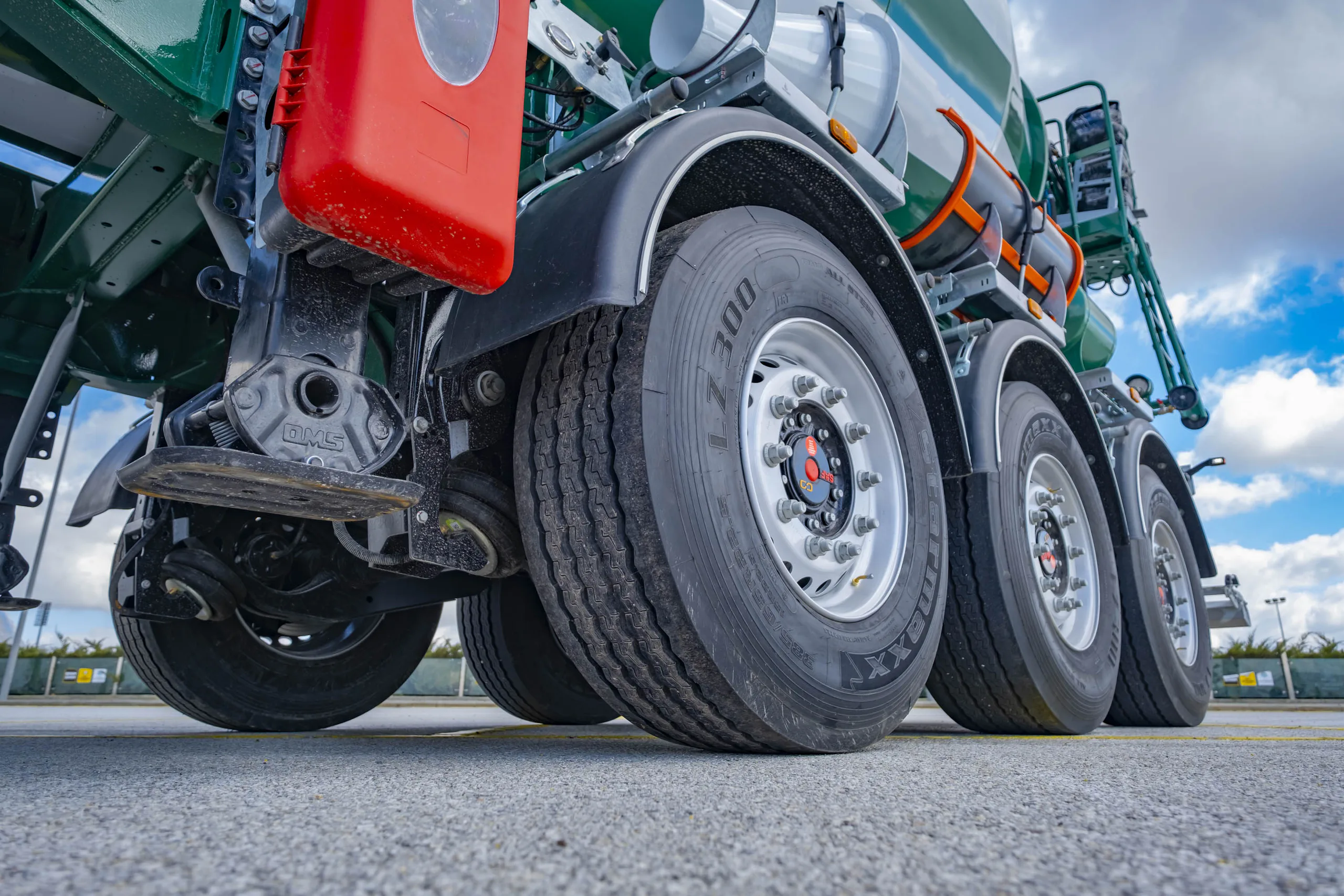
Yes, customers choose based on their market's spare parts access, or source directly via STU support.
What compliance/documentation do you provide?
Commercial invoice, packing list, customs declarations, ATR/EUR1 where applicable, and the original COC for registration.
How long are spare parts available?
Parts for installed equipment are available from our stock for 5 years; equipment producers keep parts for up to 10 years.
What are the most requested options and why?
Spare tyre + holder, night LED work lights, and galvanised protection: for uptime, safety, and durability. Automatic greasing, hydraulic steering, and remote control can be configured by specification.